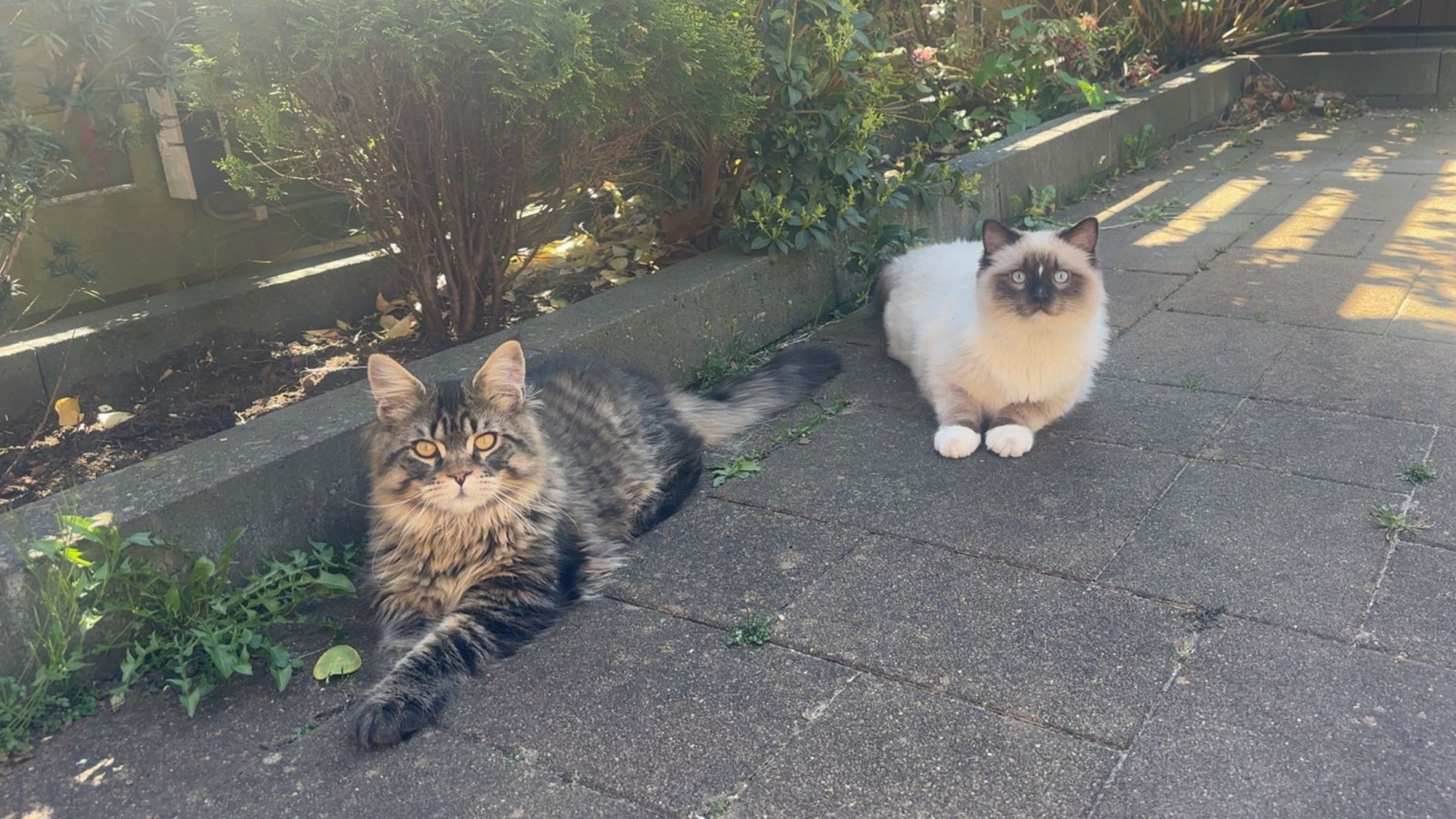
introducing cats to each other
A good introduction is calm and goes step by step. How much time it takes differs from cat to cat. A few minutes without stress is worth more than a long contact that creates tension.
Before you bring a new cat home
Think it through carefully: not every cat is waiting for a companion. The kitten period is decisive here. Cats that grew up alone often have no need for another cat. Grieving cats also need peace, certainly for the first six months after losing a housemate. Keep this in mind.
Older cats, too, usually don't appreciate boisterous kittens. In that case it's wiser to take two kittens. They have each other to play with and leave the older cat in peace as much as possible. What's more, a cat that already has contact with others outdoors doesn't necessarily need the company of another cat indoors. Pay attention to the type, as well. Similar cats, or a comparable breed, are a better match. Males and females combine more easily than two cats of the same sex without a family bond. The most ideal is a new cat that is family. Research suggests that cats recognise familiar scents, possibly including those of relatives, and distinguish them from unfamiliar ones.
People often want to go too fast. Keep the contact pleasant.
The introduction
A good introduction is calm and goes step by step. How much time it takes differs from cat to cat. Sometimes it goes quickly, sometimes it takes a few weeks. People often want to go too fast. Keep the contact pleasant. A few minutes without stress is worth more than a long contact that creates tension.
What you can do
Give each cat its own space with its own litter box, food and water, that can be closed off with a door. A quiet place where the cat has everything it needs. It also helps to exchange the scents in advance. Stroke each cat at the corners of the mouth and transfer that scent onto the other cat. Fifteen minutes before the first contact you can give each cat a teaspoon of valerian, so they're relaxed.
Start with the cats on either side of a closed door and give them something tasty. That way they link each other's scent to something positive. If that goes well, you can gradually set the door ajar. Watch that they don't stare at each other. Staring is aggression, and you don't want to reward that. Then close the door again.
Also let the cats explore the house in turns, with the other safely behind a closed door. That way they can calmly leave their scent without confrontation. Make sure they can't see each other through windows or under doors, either.
Once you're confident it's going well, you can let them be together under supervision. Then play with two toys at once, or give them something tasty together. That way they learn to link each other's presence to something positive.
Every cat is different. Take the time it needs.